Microsoft Ignite 2026: Key takeaways for SMEs, legal firms and chambers
Microsoft Ignite 2026 could cut admin and strengthen security for SMEs and legal firms. Getting the value takes more than switching features on
written by James Dell, Technical Director at Ekco MSP
Microsoft Ignite 2026: Key takeaways for SMEs, legal firms and chambers
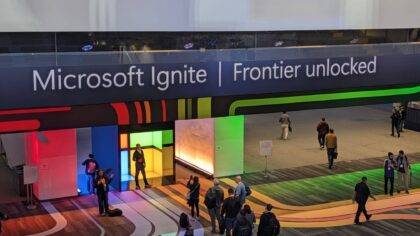
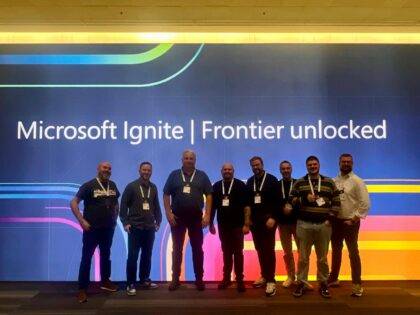
I left my heart in San Francisco, but I did bring a lot of notes home.
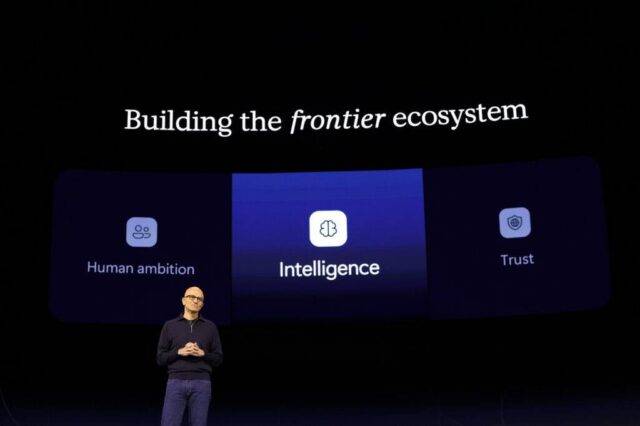
Having attended Microsoft Ignite 2026 last week, I’ve had a few days to reflect on the announcements and what they mean for our customers. My main takeaway is that AI is moving beyond individual productivity tools and into the way organisations run, manage information and protect their systems. Satya Nadella summed up that ambition with the words: “Copilot is the new OS for work”.
For the SMEs, legal firms and barristers’ chambers we work with, there is plenty to be positive about. These developments could reduce administration, make business knowledge easier to access, strengthen security and help modernise ageing systems.
But getting value from them will take more than switching on new features. Trusted information, well-managed permissions and clear accountability will matter just as much as the technology.
From Copilot to AI-supported operations
The shift from a conversational assistant to something that can carry work forward was one of the themes that stood out to me. Copilot Workspaces and Autopilot are intended to bring people and AI agents together around projects, recurring tasks and business processes. The direction is towards agents that can coordinate work across connected systems, rather than simply answer a prompt.
For MSP customers, the potential benefits include:
- Faster preparation of reports, proposals and meeting packs
- Reduced time spent searching for information
- More efficient project and action tracking
- Greater automation of routine administration tasks
- Better use of Microsoft 365 information across the business
For legal firms and chambers, which could mean help with matter preparation, internal research, chronology drafting, correspondence review and administrative coordination. Agents able to continue working on assigned tasks could give professionals more time to review the detail and make decisions. The responsibility still sits with the lawyer, barrister or other professional. I see the value in AI preparing and organising work—not replacing professional judgement.
Making organisational knowledge easier to use
Microsoft IQ was, for me, one of the most important announcements of the week. It is designed to give Copilot and other agents governed access to organisational context across Microsoft 365, Microsoft Fabric, connected business systems and approved external sources. The appeal is being able to find and use knowledge without being limited to one system. The announced integrations and partnerships should help extend that reach beyond Microsoft 365, making it easier for staff to find approved policies, procedures, earlier work and relevant expertise without having to know where everything is stored.
That also makes the quality of the underlying information harder to ignore. AI will expose poor permissions, duplicate documents and outdated content more quickly. SharePoint structure, retention and access controls need to be part of any Copilot or agent deployment, not something addressed afterwards.
Greater control over AI agents
As more agents enter the workplace, we need a clear view of what they can access, what they can do and what they cost. Microsoft Agent 365 provides a central control plane for discovering, securing, governing and measuring agents. Its business analytics capabilities should help customers understand adoption, usage, spending and the work AI is supporting.
For legal firms and chambers, those controls are particularly important. Client confidentiality, privileged information and ethical walls must still hold. An agent working on one matter should not gain access to unrelated information simply because it is available elsewhere in the organisation.
Security for an agent-driven workplace
Security was a central part of the Ignite announcements. Microsoft Perception brings together security agents to support attack simulation, investigation, vulnerability management and remediation. Alongside that, Microsoft Entra and Purview are being extended to manage agent identities, control access and protect sensitive data in AI workflows.
For us at Ekco, these developments offer ways to help customers:
- Investigate security alerts more quickly.
- Find and prioritise vulnerabilities.
- Improve visibility across users, devices and cloud services.
- Control which information agents can access.
- Reduce the workload placed on internal IT teams
The ability to automate more security work is welcome, but it needs clear limits. Any agent that can change an identity, device or cloud configuration should work within defined permissions, approval processes and rollback controls. For legal organisations, the stakes are high: an incident could expose privileged material, interrupt client services and cause lasting regulatory and reputational damage.
Modernising cloud and business systems
There was also announcements beyond Copilot. Across Azure, data and application modernisation, Microsoft announced developments that could help customers tackle older infrastructure. Azure Catalyst is designed to assess existing systems and applications, identify migration options and support approved modernisation work. For SMEs with ageing servers, legacy databases or poorly documented applications, which could be a useful starting point.
The wider Azure, Fabric and HorizonDB announcements also open up opportunities to build governed business applications around trusted organisational data.
For our customers, the practical uses could include better client onboarding, matter reporting, risk management, contract tracking, financial approvals and operational dashboards.
The future of Windows and endpoint management
The Windows announcements were encouraging too, particularly the focus on stronger protection and simpler administration. Windows Server 2028, now in preview, introduces hardened Server Core security from first boot, with stronger authentication, encrypted communications and improved auditing. That is a better starting point for modernising servers, although existing applications and management tools will need compatibility testing.
Preview support for managing eligible Windows Server 2028 systems through Intune brings server inventory, security baselines, configuration, applications and updates alongside PC management. Entra integration adds cloud sign-in and compliance signals for Conditional Access, while Azure Arc continues to manage infrastructure management and governance. The prospect of a more consistent approach is welcome, but this stays a non-production preview, not an immediate replacement for existing tools.
Windows administrator protection and the Windows Endpoint Security Platform are now generally available. Administrator protection keeps local administrators on standard privileges by default, granting elevated rights only to verified tasks. The security platform moves critical protections outside the Windows kernel to improve resilience. Windows baseline protection, in preview, brings foundational safeguards into one verifiable security state, making it easier to see which devices need attention. These are practical steps towards better protection with less disruption.
Intune’s Vulnerability Remediation Agent, in limited public preview, combines Defender intelligence with device and app context to build remediation playbooks, including application and operating system patching. Software compliance policies, also in public preview, can flag Windows devices running specified unapproved AI agents as noncompliant, enabling Conditional Access restrictions. For SMEs, legal firms and chambers, the potential is faster remediation, better control over AI and less routine work for IT teams. Testing, approval and verification still matter, as do availability and licensing checks before rollout.
I came away from Ignite 2026 with a clearer sense of where Microsoft is heading. This was more than another round of Copilot features: it set out a direction in which people and agents work together across Microsoft 365, Azure, Windows and connected business systems.
For our MSP customers, the opportunities are practical: less administration, stronger security, better access to information and a route to modernising legacy technology.
We should approach those opportunities with enthusiasm but not treat AI as something we simply switch on. An agent needs reliable information, appropriate permissions, and a useful outcome to work towards.
Overall, a fantastic conference, incredible minds and an unforgettable week.
Until next time San Francisco!

Question?
Our specialists have the answer